Energy & Renewable Power Tendencies: Pakistan’s Rapid Shift Toward a Sustainable Future
28 Nov 2025
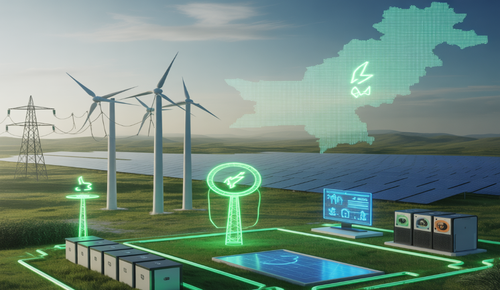
PakistanInnovation, sustainability, and the pressing need to end decades of power shortages characterise Pakistan's upcoming energy era. With an increasing number of tenders centred on renewable power, solar electrification, and grid modernisation, Pakistan is quickening its transition as the world's markets shift towards clean energy. These developments point to a significant change in the way the nation will produce, distribute, and manage electricity in the years to come.The most recent developments in renewable energy, important government programmes, and tender opportunities that are changing Pakistan's energy landscape are all covered in this blog.1. Solar Energy Takes the LeadIn Pakistan, solar energy continues to be the renewable energy sector with the fastest rate of growth. Government agencies are regularly putting out tenders for the following due to falling panel prices and better financing options: Solar farms on a utility scale Rural off-grid solar power Solar-powered agricultural water pumps Public buildings with rooftop solar systems In addition to being eco-friendly, these solar contracts lessen reliance on pricey imported fuels.The reason it mattersIn addition to stabilising long-term electricity prices for consumers, solar energy can help Pakistan save billions in fuel imports.2. An Increase in Wind PowerOne of the most promising areas for wind power in South Asia is Pakistan's wind corridor in Sindh, particularly Jhimpir and Gharo. In the pipeline, several tenders concentrate on: Innovative wind farm setups Modernising the current turbines Solar and wind hybrid projects The reason it mattersParticularly during spikes in demand, wind energy boosts the resilience of the national grid and offers reliable generation.3. Hybrid and Storage Projects' AscentThe move towards hybrid systems - projects that integrate solar, wind, and battery storage - is a revolutionary development in Pakistan's renewable tender landscape.Important tender areas consist of: Systems for Battery Energy Storage (BESS) Wind and solar hybrid parks Reducing load-shedding through grid-scale backup systems The reason it mattersPakistan desperately needs storage solutions that guarantee power availability around-the-clock, even in the absence of wind or sunlight.4. Initiatives for Green Energy Run by the GovernmentBy 2030, Pakistan wants to have a 60% share of renewable energy. In order to do this, public sector organisations and government departments regularly issue tenders for: Intelligent metres Systems that automate grids Upgrades to high-voltage transmissions Studies of renewable energy feasibility Purchasing clean energy for public institutions The reason it mattersThese bids demonstrate Pakistan's dedication to increasing efficiency and decarbonising its energy sector.5. IPP Opportunities and Private Sector InvolvementPakistan's renewable energy market is seeing an increase in the number of foreign investors and Independent Power Producers (IPPs). These days, tenders promote: Projects that are build-own-operate (BOO) Public-private collaborations (PPP) Power Purchase Agreements (PPAs) with a long term The reason it mattersInvolving the private sector accelerates Pakistan's transition to clean energy by bringing in capital, knowledge, and cutting-edge technologies.6. The Reasons Pakistan's Renewable Energy Tenders Are PopularEnergy and renewable power tenders are on the rise due to: Growing need for electricity Expensive fossil fuels Regular load shedding Green energy goals set by the government International financing from the World Bank, EU, and ADB These factors provide Pakistan with a strong incentive to quickly go green.7. What This Signifies for the Future of PakistanShould Pakistan maintain this momentum, the upcoming ten years may see: Reduced electricity costs Less load-shedding enormous increase in green jobs Reduced carbon emissions and improved air quality Independence of energy from imported fuels Renewable energy is now Pakistan's top priority, not just a concept for the future.Final ThoughtsPakistan is finally adopting a modern, sustainable power system, as evidenced by its energy and renewable power tendencies. Every tender represents a step closer to a cleaner, more efficient future, from the growth of solar and wind power to hybrid energy and grid digitisation. Pakistan will emerge as a regional leader in the transformation of renewable energy as these projects come to fruition.#RenewableEnergy #GreenEnergy #SolarPower #WindEnergy #CleanEnergyPakistan #PakistanEnergySector #EnergyTransition #SustainablePakistan #PowerSectorReform #EnergyInnovation#SolarProjectsPakistan #WindPowerProjectsPakistan #HybridEnergy #BatteryStorage #SmartGridPakistan #EnergyEfficiency #FutureOfEnergy #ClimateActionPakistan #GreenFuture #EnergyTendersPakistan #Renewables #SolarEnergy #WindPower #NetZeroPakistan #PakistanTenders #EnergyProjects #InfrastructureDevelopment #PowerGrid #SustainableDevelopment #CleanTech #EcoFriendlyEnergy #EnvironmentalSustainability #SolarSolutions #WindTurbines #EnergyInvestments #PowerGeneration #EnergySecurity #PublicSectorTenders #PPPProjectsPakistan #SmartEnergy
Read More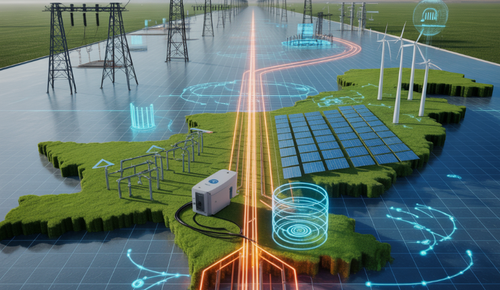
Hitachi Energy’s Mega Move: Transforming Pakistan’s Power Grid for the Future
28 Nov 2025
Thanks to Hitachi Energy's most recent strategic initiative, Pakistan's energy sector is poised for a revolutionary leap. Hitachi Energy is stepping in with innovative solutions that promise to completely transform the future of power transmission and distribution as the country struggles with rising electricity demand, grid inefficiencies, and the pressing need for renewable integration.An Audacious Plan for Pakistan's Energy EnvironmentA multi-year plan to update Pakistan's power grid infrastructure has been announced by Hitachi Energy, a global leader in sustainable energy solutions. The company's strategy integrates renewable energy, high-voltage machinery, and cutting-edge digital technologies to build a more intelligent, robust, and effective grid system. In addition to addressing present power issues, this project establishes the groundwork for long-term energy security.Important Aspects of the Change1. Implementation of Smart GridsThe implementation of smart grid technologies is one of the main pillars of this massive change. The grid will optimise the distribution of electricity, lower transmission losses, and increase consumer reliability through automated control systems, real-time monitoring, and predictive analytics.2. Integration of Renewable EnergyWind and solar energy have enormous potential in Pakistan. The goal of Hitachi Energy's strategy is to smoothly incorporate these renewable energy sources into the country's grid. In addition to helping Pakistan achieve its sustainability objectives, this diversifies the energy mix and lessens reliance on fossil fuels.3. Improved Grid StabilityGrid stability becomes crucial as the demand for electricity rises. Advanced high-voltage substations, grid controllers, and cutting-edge machinery are among Hitachi Energy's solutions that guarantee steady power delivery even under challenging circumstances and peak loads.4. Automation and DigitalisationHitachi Energy wants to build a fully automated grid system that can anticipate outages, self-heal, and effectively optimise energy distribution by utilising AI, IoT, and cutting-edge digital tools. This will greatly decrease downtime and improve operational efficiency.Impact on the Economy and SocietyThere will be significant social and economic advantages to Pakistan's power grid transformation. A steady supply of electricity can improve millions of households' quality of life, increase industrial productivity, and draw in foreign investment. The project is also anticipated to generate employment opportunities in the engineering, maintenance, and technology sectors.A Future That Is SustainablePakistan's commitment to a more sustainable and environmentally friendly future is in line with Hitachi Energy's initiative. The project ensures that Pakistan's energy infrastructure is prepared for the future while supporting global climate goals through the integration of digital technologies and renewable energy.Final ThoughtsHitachi Energy's massive move represents a paradigm shift in Pakistan's energy landscape rather than merely an infrastructure upgrade. Hitachi Energy is laying the groundwork for a more dependable, sustainable, and effective power system by updating the grid, incorporating renewable energy sources, and implementing smart technologies. Building a resilient foundation for future generations is more important to Pakistan than simply satisfying its present energy needs.Latest Government Tenders and Contract Awards in Pakistan - PakistanTendersPakistanTenders - Your trusted source for latest government tenders, RFPs, RFQs, and contract awards in Pakistan Stay updated with the latest public procurement opportunities and tender notices in Pakistan at PakistanTenders Find all Pakistan government tenders, eProcurement updates, and contract award notices on PakistanTendersExplore live tenders, bids, and procurement opportunities in Pakistan with PakistanTenders - The PakistanTenders portalPakistanTenders brings you verified tenders, procurement news, and contract awards from Pakistan #HitachiEnergy #PowerGrid #SmartGrid #RenewableEnergy #EnergyTransformation #PakistanEnergy #SustainableEnergy #GridModernization #FutureOfEnergy #DigitalEnergyMeter #ElectricityInfrastructure #GreenEnergy #EnergyInnovation #EnergyEfficiency #HighVoltageTechnology
Read More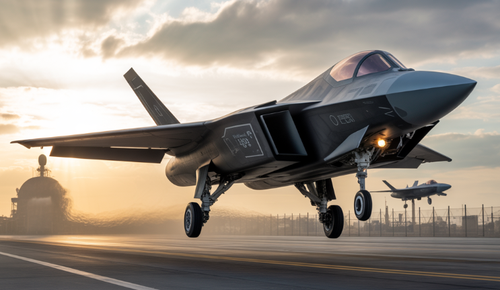
China’s J-35 Fighter Offer to Pakistan: A Game-Changer for South Asian Air Power?
28 Nov 2025
Significant discussions in South Asia's strategic and defence circles have been triggered by China's alleged offer of its next-generation J-35 stealth fighter to Pakistan. If completed, this agreement could drastically change Pakistan's air power and the military balance in the region, particularly given the dynamics between India and Pakistan.The J-35: What Is It?China's cutting-edge twin-engine, stealth, fifth-generation fighter jet, the Shenyang J-35 (also known as the FC-31 Gyrfalcon), was created to rival the American F-35. It consists of: Reduced radar cross-section and stealth technology High-tech AESA radar Internal weapons storage for operations with low visibility Excellent thrust-to-weight ratio and agility Capability to operate a carrier Electronic warfare systems and modern avionics As a result, the J-35 is among China's most competent fighters under development.Why is Pakistan being offered the J-35 by China?1. Fortifying Strategic CollaborationFrom the JF-17 fighter programme to tanks and missiles, China and Pakistan have a long history of military cooperation. Beijing's objective of fortifying a vital ally against Indian influence in South Asia aligns with the J-35.2. Increasing Defence Exports from ChinaChina challenges the dominance of the US and Europe by entering the elite market of advanced stealth aircraft exporters by offering Pakistan a fifth-generation jet.3. Balance to the Modernisation of India's Air ForceIndia is modernising with Rafales, Su-30 MKIs, and possibly future AMCA and F-35 collaboration. Giving Pakistan a stealth jet enables China to keep the strategic balance of the region in its favour.How Does Pakistan Benefit?1. Availability of 5th Generation Air PowerThe J-35 would be Pakistan's first stealth fighter if it were purchased, bringing its air capabilities closer to those of India.2. Replacing Older FleetsThe older F-7 and Mirage aircraft in the PAF are about to retire. One potential long-term solution is the J-35.3. Cooperation with JF-17 Block IIIPakistan already uses the JF-17 equipped with contemporary missiles and AESA radar. These would be enhanced by the J-35, a top-tier platform.What Is India's Reaction?India could: If Pakistan introduces the J-35 expedite the development of the AMCA's fifth-generation fighter.me. Invest more in Rafales or look into F-35 alternatives. Improve air defence systems such as S-400 Promote domestic technologies such as Astra missiles, EW systems, and Uttam AESA radar. The J-35 deal is likely to be seen as a significant development by India's strategic planners.This Deal: Is It Confirmed?Neither China nor Pakistan have provided an official confirmation as of yet. Reports propose: Delegates from Pakistan were shown the aircraft by Chinese officials. Pakistan has expressed a keen interest. Because of the cost and customisation, negotiations may take some time. Deliveries, if agreed upon, could take years because the J-35 is still being developed and tested.Potential South Asian Game-Changer?There will be major ramifications if Pakistan is successful in obtaining the J-35: Pakistan acquires its most sophisticated fighter to date China strengthens its sway over South Asia India is under more pressure to modernise quickly. The competitiveness of the regional air power equation increases The J-35 would surely increase Pakistan's air power and change strategic calculations, even though it won't decide the outcome on its own.Final ThoughtsThe offer of a J-35 fighter from China could be a game-changer for Pakistan's defence modernisation. Whether the agreement is finalised or not, it ushers in a new era in which South Asian air combat tactics will be dominated by stealth, electronic warfare, and sophisticated radar systems.The J-35 has the potential to be a game-changer if Pakistan moves forward, upending India's air superiority and igniting a new wave of aerospace modernisation in the area.
Read More